
Philip Yeates Physiotherapy
HomeAboutOur TeamTreatmentsConditionsWhat to expectReviewsContact & Booking
Philip Yeates Physiotherapy

Chartered, HCPC-registered physiotherapists in Dunfermline since 2004.

Book an appointment

Visit us

Scotia House, Dickson Street
Elgin Industrial Estate

Dunfermline KY12 7SL

Get directions01383 842599physio@philipyeates.co.uk

Opening hours

Monday8:30am to 8pm
Last appt 7pm
Tuesday8:30am to 5:30pm
Last appt 5pm
Wednesday8:30am to 8pm
Last appt 7pm
Thursday8:30am to 8pm
Last appt 7pm
Friday8:30am to 5pm
Last appt 4:30pm
WeekendsClosed

Doors open 8:30am every morning. First appointment 9am.

Explore

About usOur teamTreatmentsConditions we treatWhat to expectReviewsReferrals and insurance
Chartered Society of PhysiotherapyHCPC registeredPhysio FirstAACP

Registered with Bupa, AXA Health, Aviva, WPA, Cigna and Standard Life

© 2026 Yeates PhysiotherapyPrivacy and cookiesAccessibilityWebsite by Internet Creation
CallBook
Home / Conditions / Sprains and strains
Condition we treat

Sprains and strains

A sprained ankle or pulled muscle can stop you in your tracks. The right treatment helps you heal well and lowers the chance of it happening again.
Book an appointment Call 01383 842599
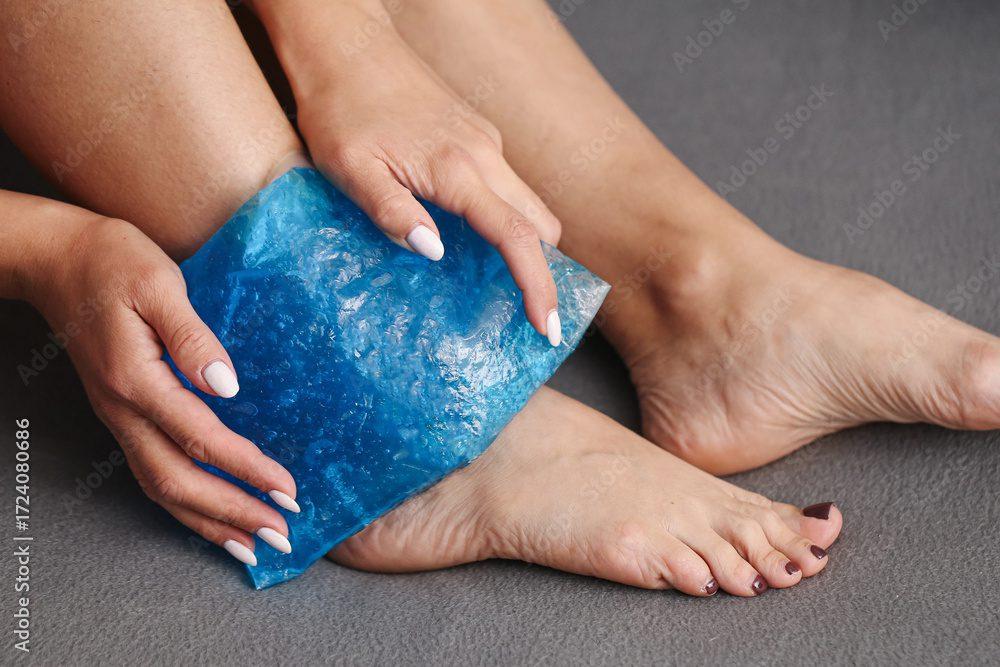
Holding an ice pack on an ankle
No referral needed
Book yourself in
About sprains and strains

Healing well, not just quickly

A sprain is an injury to a ligament, such as a twisted ankle. A strain is an injury to a muscle or tendon, such as a pulled hamstring. Both cause pain, swelling and difficulty moving.

Most heal well, but without the right rehabilitation they can leave you weaker or less stable, which makes the same injury more likely to happen again.

Common causes

Twisting or rolling an ankleSudden stretchingSport and exerciseSlips and fallsOveruse

How we can help

  1. 1Finding the causeAt your Initial Assessment we ask about your symptoms and test how you move, to find what is driving the problem.
  2. 2Early careAdvice on protecting the injury, managing swelling and staying as active as is safe.
  3. 3Healing wellHands-on treatment, taping and electrotherapy where it helps.
  4. 4Stronger than beforeBalance and strengthening exercises to reduce the chance of it happening again.

Treatments that may help

Rehabilitation and ExerciseExercises tailored to your body and goals, to rebuild strength and confidence.Kinesiology TapingSupportive taping that helps you keep moving while you recover.ElectrotherapyGentle electrical treatments that can help with pain and healing.Manual TherapyHands-on joint and soft tissue techniques to ease pain and get you moving.
When to get urgent help

Go to A&E or a minor injuries unit if you can't put any weight on the injured leg, the area looks deformed, the pain is severe, or you have numbness or pins and needles. These can be signs of a broken bone.

Questions people ask

Should I use ice or heat?

In the first few days, a cold pack wrapped in a towel can help with pain and swelling. We'll advise you on what to do at your stage of recovery.

How soon should I see a physio?

The sooner the better. Early advice and treatment can help you recover faster and get back to normal activity safely.

Book for sprains and strains

Every course of treatment starts with an Initial Assessment, 45 minutes, £55.

Send an enquiry 01383 842599

Other conditions

Back pain →Neck pain →Headaches →Shoulder pain →

Injured and want the right advice?

Book an Initial Assessment and leave with a clear plan.

Book an appointment