
Philip Yeates Physiotherapy
HomeAboutOur TeamTreatmentsConditionsWhat to expectReviewsContact & Booking
Philip Yeates Physiotherapy

Chartered, HCPC-registered physiotherapists in Dunfermline since 2004.

Book an appointment

Visit us

Scotia House, Dickson Street
Elgin Industrial Estate

Dunfermline KY12 7SL

Get directions01383 842599physio@philipyeates.co.uk

Opening hours

Monday8:30am to 8pm
Last appt 7pm
Tuesday8:30am to 5:30pm
Last appt 5pm
Wednesday8:30am to 8pm
Last appt 7pm
Thursday8:30am to 8pm
Last appt 7pm
Friday8:30am to 5pm
Last appt 4:30pm
WeekendsClosed

Doors open 8:30am every morning. First appointment 9am.

Explore

About usOur teamTreatmentsConditions we treatWhat to expectReviewsReferrals and insurance
Chartered Society of PhysiotherapyHCPC registeredPhysio FirstAACP

Registered with Bupa, AXA Health, Aviva, WPA, Cigna and Standard Life

© 2026 Yeates PhysiotherapyPrivacy and cookiesAccessibilityWebsite by Internet Creation
CallBook
Home / Conditions / Back pain
Condition we treat

Back pain

Most back pain isn't caused by anything serious, and gets better with the right advice, treatment and exercise. We'll help you get moving again.
Book an appointment Call 01383 842599
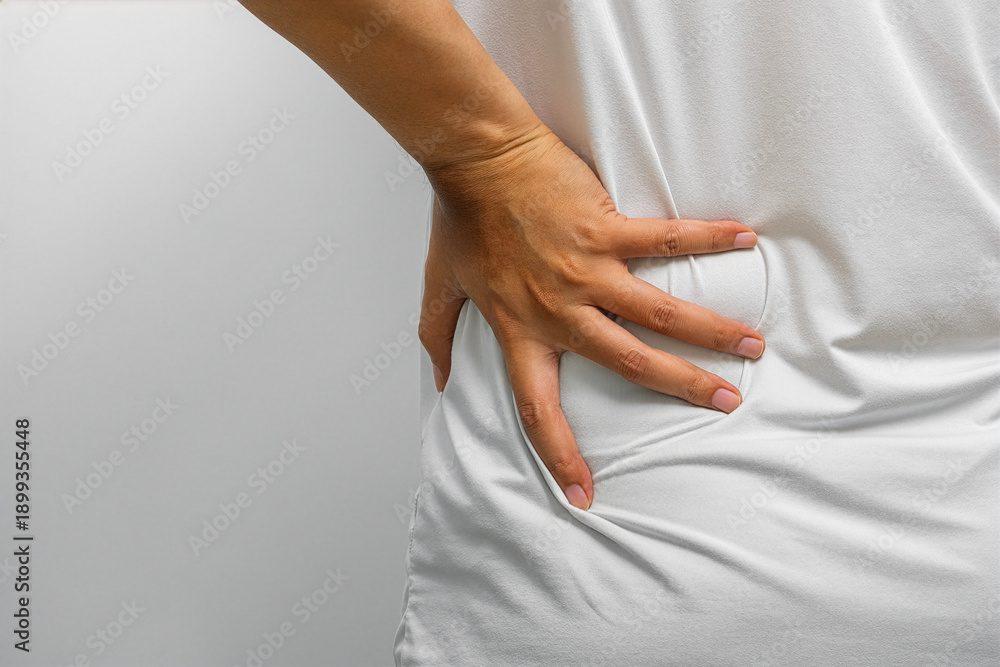
Person holding their lower back in pain
No referral needed
Book yourself in
About back pain

Very common, and usually not serious

Most people have back pain at some point. It can come on suddenly after lifting or twisting, or build up gradually from sitting, posture or stress. It often feels alarming, but in most cases it is not caused by serious damage.

Staying as active as you can usually helps you recover faster than resting. Physiotherapy can ease the pain, get you moving and help stop it coming back.

Common causes

Lifting or twistingLong periods of sittingMuscle strainStiff jointsDisc problemsSciaticaStress and poor sleep

How we can help

  1. 1Finding the causeAt your Initial Assessment we ask about your symptoms and test how you move, to find what is driving the problem.
  2. 2Easing the painHands-on treatment such as mobilisation and soft tissue massage, and acupuncture where it suits you.
  3. 3Getting you movingSimple exercises to restore movement and build strength in your back and hips.
  4. 4Keeping it awayAdvice on lifting, sitting and staying active, so it is less likely to come back.

Treatments that may help

Manual TherapyHands-on joint and soft tissue techniques to ease pain and get you moving.Rehabilitation and ExerciseExercises tailored to your body and goals, to rebuild strength and confidence.AcupunctureFine needles used alongside treatment to help ease pain, from AACP-trained physios.Soft Tissue MassageHands-on massage to ease tight, sore muscles and help you move more freely.
When to get urgent help

Call 999 or go to A&E if back pain comes with numbness around your bottom or genitals, problems peeing or controlling your bowels, or weakness in both legs. These can be signs of a rare but serious condition called cauda equina syndrome. If you have back pain with a high temperature or after a serious fall, call NHS 24 on 111 or your GP.

Questions people ask

Should I rest until it gets better?

Usually not. Gentle movement and staying as active as you can tends to help you recover faster than bed rest.

Do I need a scan?

Most back pain doesn't need a scan. We'll tell you if anything in your assessment suggests you should see your GP.

Can I come if I have sciatica?

Yes. Physiotherapy is often helpful for sciatica. We'll assess your symptoms and agree a plan with you.

Book for back pain

Every course of treatment starts with an Initial Assessment, 45 minutes, £55.

Send an enquiry 01383 842599

Other conditions

Neck pain →Headaches →Shoulder pain →Knee pain →

Ready to get your back moving again?

Book an Initial Assessment and leave with a clear plan.

Book an appointment